Robbie Robertson was born Jaime Royal Robertson on July 5, 1943, in Toronto, Canada. His mother, Rosemarie Dolly Chrysler, was Cayuga and Mohawk, raised on the Six Nations of the Grand River reserve. His father, a Jewish gambler named Alexander Klegerman, died in a hit-and-run accident before Robbie was born. From the beginning, Robertson lived between worlds — and spent his life turning that duality into song.
As a boy, summer visits to Six Nations introduced him to music. Relatives played guitar, sang, and danced. He later recalled being struck that everyone on the reserve could do something with music. By ten, he was teaching himself guitar. By fifteen, he was playing in bands around Toronto with names like Robbie and the Robots and Little Caesar and the Consuls. By sixteen, he had left home to chase rock and roll.
THE HAWKS & BOB DYLAN
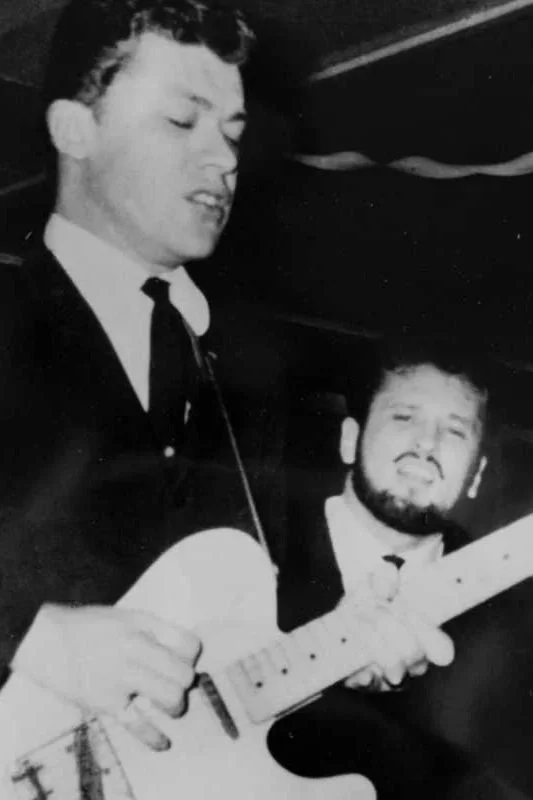
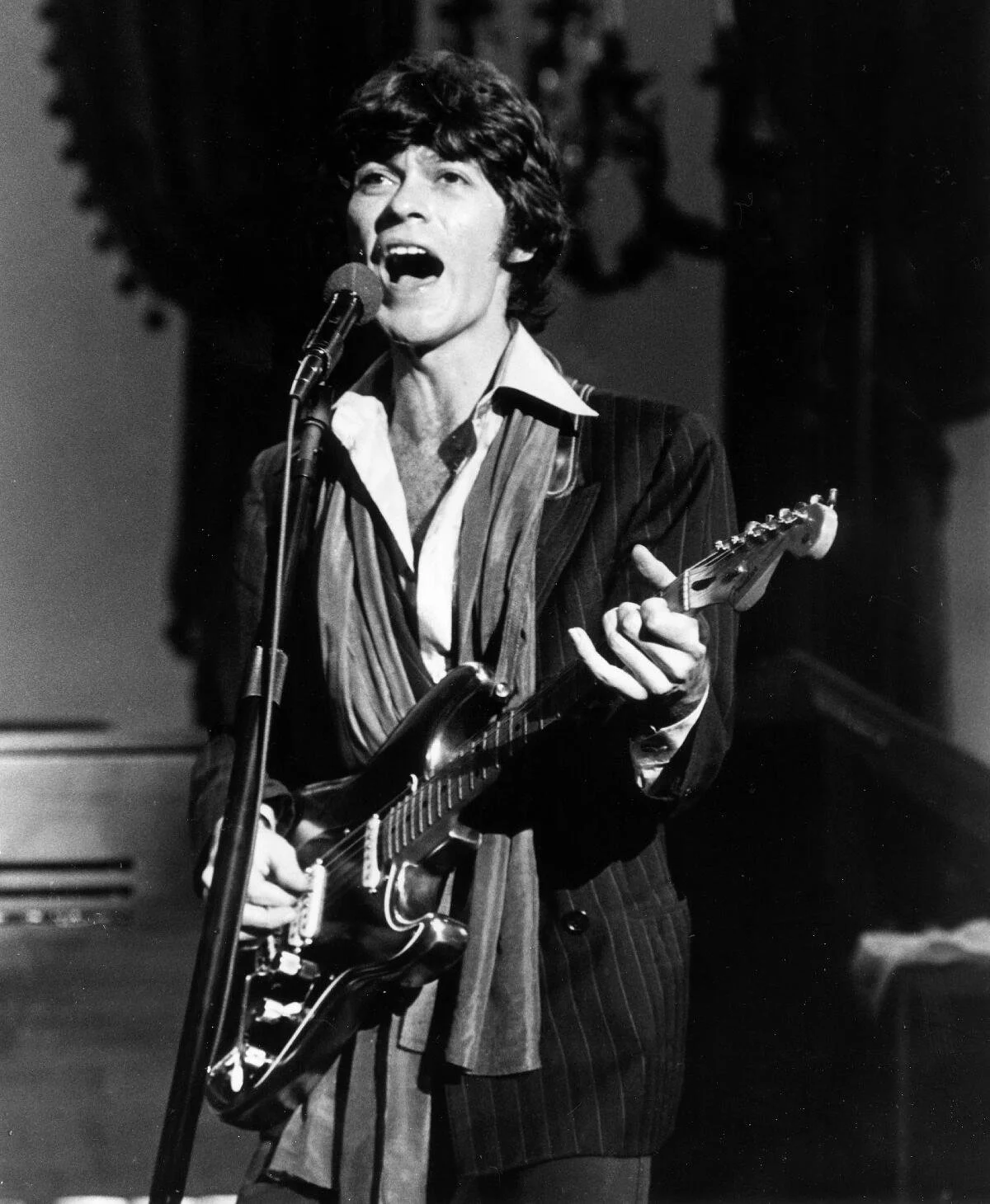
In 1960, Robertson joined rockabilly singer Ronnie Hawkins as lead guitarist in his backing band, the Hawks. Over the next several years, the group — Levon Helm, Rick Danko, Richard Manuel, Garth Hudson, and Robertson — became one of the tightest bar bands in North America, honing their craft in clubs across Canada and the American South.
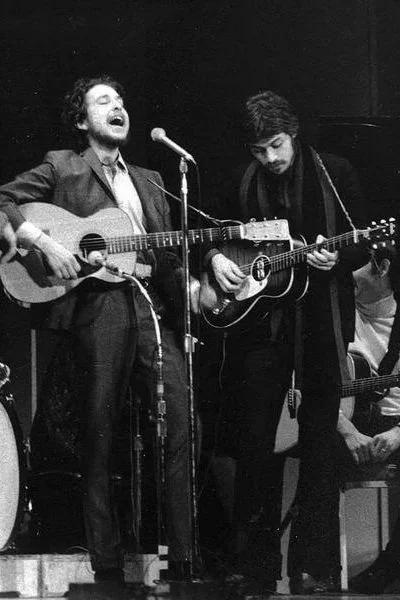
In 1965, Bob Dylan came looking for a band that could match the electricity of his new sound. He found the Hawks. Robertson and his bandmates backed Dylan on his legendary and controversial world tours of 1965–66, facing crowds who booed and jeered the shift from acoustic folk to amplified rock. One audience member famously shouted "Judas!" Dylan's response: "I don't believe you. You're a liar." Then he told the band to play loud.
THE LAST WALTZ
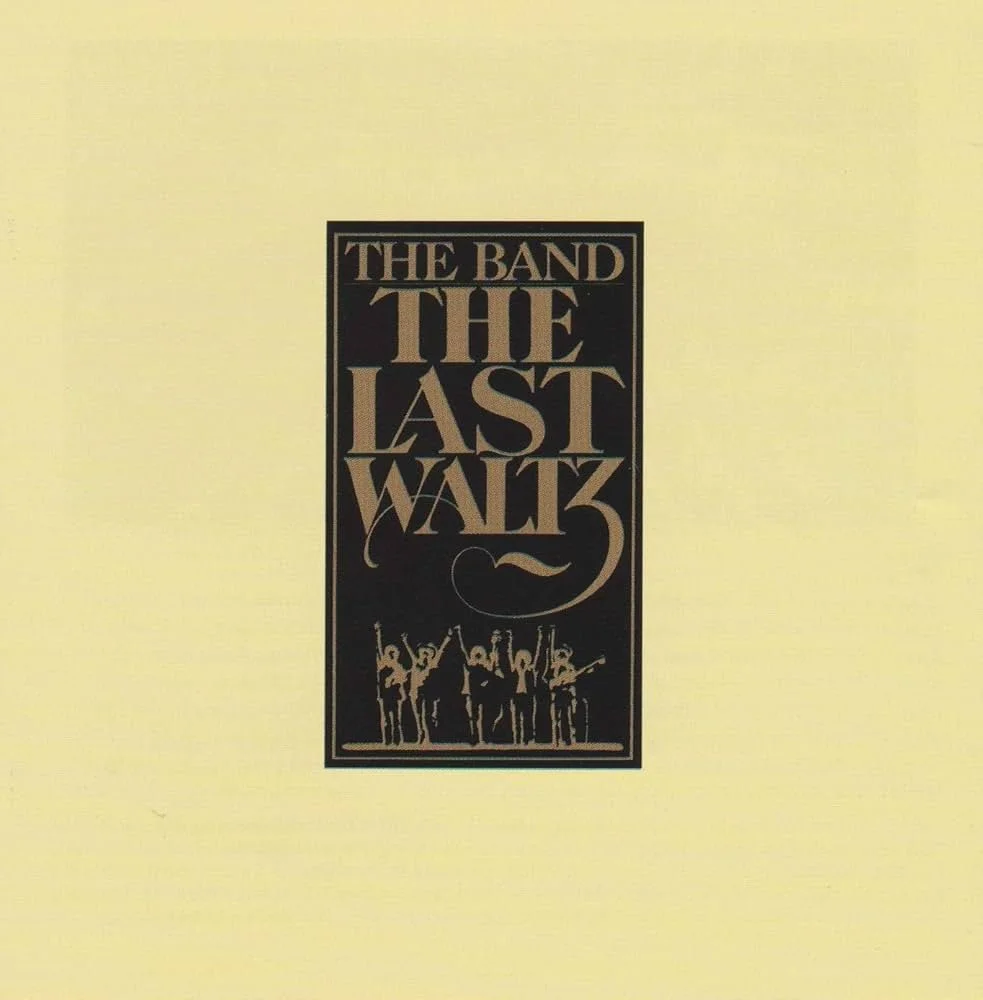
On Thanksgiving Day 1976, The Band said goodbye with a farewell concert at San Francisco's Winterland Ballroom. The show featured an extraordinary roster of guests: Bob Dylan, Joni Mitchell, Neil Young, Eric Clapton, Van Morrison, Muddy Waters, and more. Martin Scorsese filmed the event, and the resulting documentary, The Last Waltz, is widely regarded as one of the greatest concert films ever made.
It was the end of The Band — and the beginning of a new chapter for Robertson.
THE BAND
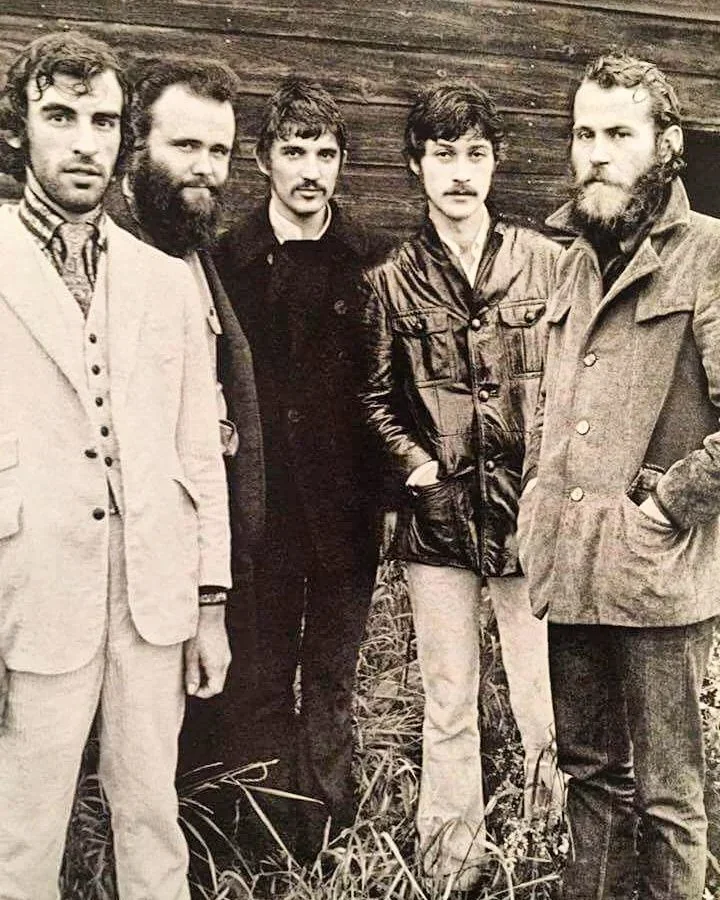
After the Dylan tours, the group retreated to a pink house in West Saugerties, New York, where they recorded the sessions that would become The Basement Tapes. They emerged in 1968 as The Band, releasing Music from Big Pink — an album that redefined what rock music could be.
Robertson wrote or co-wrote nearly all of The Band's original material. Songs like "The Weight," "The Night They Drove Old Dixie Down," "Up on Cripple Creek," and "Acadian Driftwood" drew from American history, mythology, and the landscape of the South — even though most of the group was Canadian. The music felt rooted in something older than rock and roll: gospel, country, blues, and the traditions of the Mississippi Delta.
The Band performed at Woodstock in 1969. In 1970, they became the first North American rock group to appear on the cover of TIME magazine. Their influence extended to The Beatles, Eric Clapton, and countless others who heard in their sound a new possibility — music that was literate, layered, and deeply American.
Scorsese & Film
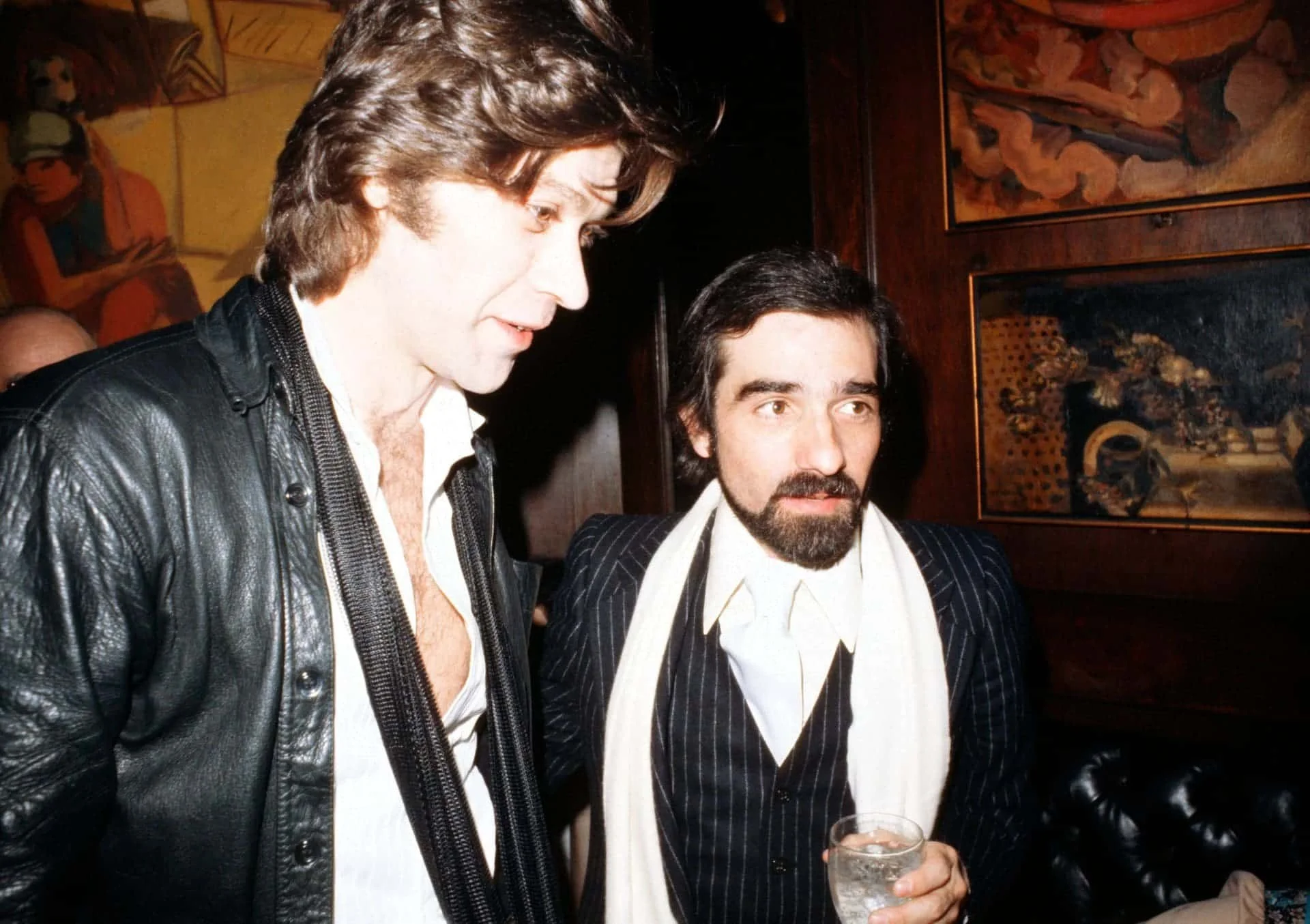
What started with The Last Waltz became a four-decade creative partnership. Robertson and Scorsese became roommates in the late 1970s, both navigating the wreckage of failed marriages and searching for what came next. They stayed up until dawn watching films, listening to music, and building a collaboration that would span fourteen movies.
Robertson served as music supervisor, composer, and soundtrack curator on some of Scorsese's most iconic films: Raging Bull, The King of Comedy, The Color of Money, Goodfellas, Casino, Gangs of New York, The Departed, Shutter Island, The Wolf of Wall Street, Silence, and The Irishman. His final project with Scorsese was Killers of the Flower Moon (2023), which was dedicated to his memory and earned him a posthumous Academy Award nomination for Best Original Score.
Scorsese later said of Robertson: "The Band's music, and Robbie's own later solo music, seemed to come from the deepest place at the heart of this continent, its traditions and tragedies and joys."
Solo Career & Native American Heritage
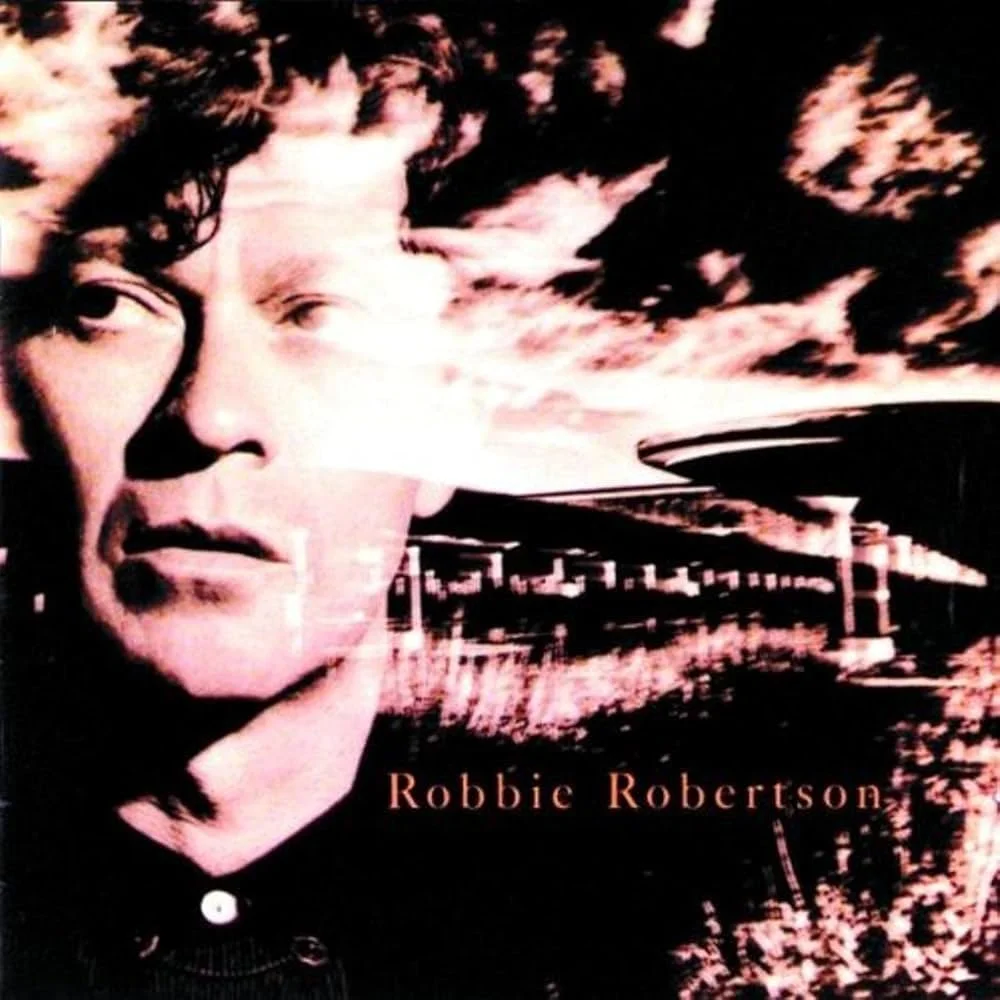
Robertson's solo work continued to evolve. His 1987 self-titled debut featured collaborations with Peter Gabriel and members of U2, earning critical acclaim and three Juno Awards including Album of the Year. Storyville (1991) was recorded in New Orleans with the city's finest musicians.
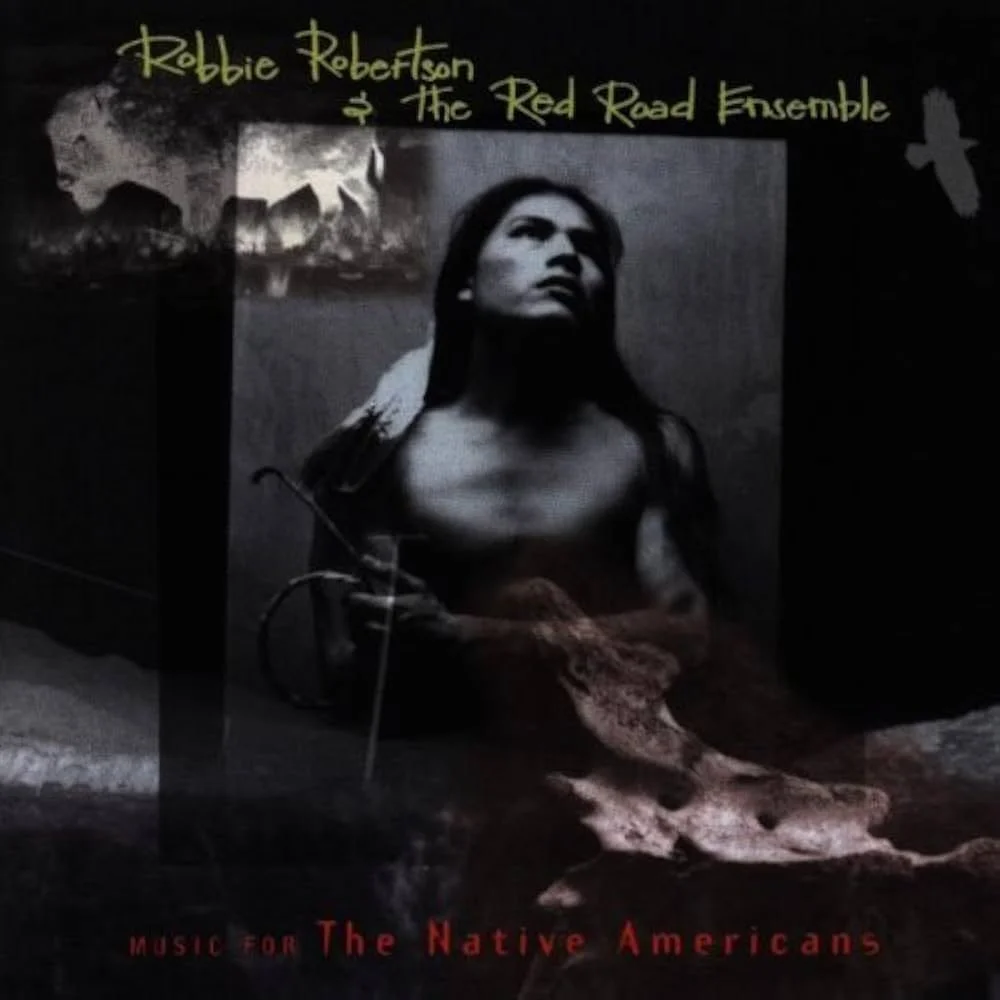
In the 1990s, Robertson turned increasingly to his Mohawk heritage. Music for the Native Americans (1994) and Contact from the Underworld of Redboy (1998) explored Indigenous sounds, stories, and traditions. He performed at the opening ceremonies of the 2002 Salt Lake City Winter Olympics, bringing Native American music to a global audience.
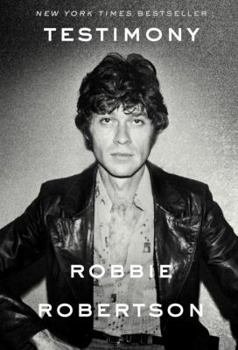
Robertson also co-authored several books, including the children's book Hiawatha and the Peacemaker (2015), written with his son Sebastian and illustrated by David Shannon. His memoir Testimony (2016) became a New York Times bestseller. A posthumous follow-up, Insomnia (2025), chronicles his friendship and creative partnership with Scorsese.
-
Inducted as a member of The Band, alongside Levon Helm, Rick Danko, Richard Manuel, and Garth Hudson.
-
Awarded to The Band for their lasting influence on American music and culture.
-
The Band was among the first rock groups inducted, recognized for putting Canadian artists on the global stage.
-
Honored individually for his contributions as a songwriter, guitarist, and film composer.
Legacy
The Band was inducted into the Rock and Roll Hall of Fame in 1994 and received the Grammy Lifetime Achievement Award in 2008. Robertson was inducted into the Canadian Songwriters Hall of Fame, Canada's Walk of Fame, and received the Order of Canada.
Robbie Robertson died on August 9, 2023, in Los Angeles, surrounded by his family. He was 80 years old. He is survived by his children Alexandra, Sebastian, and Delphine, and his grandchildren.
His music endures — in the songs that became the soundtrack of a generation, in the films that shaped American cinema, and in the stories he told about a continent's traditions, tragedies, and joys.
“I always thought this music was born of the blues and country music, Southern stuff. The Mississippi Delta area — the music came down from the river and up the river and met, and it made something new.”
AWARDS & HONORS
-
Canada's highest civilian honor, awarded for his achievements in music and his celebration of Indigenous heritage.
-
Recognized for writing songs that defined a genre — "The Weight," "The Night They Drove Old Dixie Down," "Up on Cripple Creek," and more.
-
Posthumously nominated for Killers of the Flower Moon, his fourteenth and final collaboration with Martin Scorsese. The film was dedicated to his memory.